Property Team Insight - Chicago, IL

How Often Should Commercial Windows Be Cleaned?

Commercial window-cleaning frequency depends on exposure, traffic, glass condition, tenant expectations, and the finish standard the property wants to maintain. Chicago exterior-cleaning projects are screened elevation by elevation for the required finish, facade geometry, tower and lakefront wind, controlled airspace, sidewalk and alley activity, water routing, freezing risk, and the ground area available to the property. Drone-assisted cleaning is considered where remote application fits those conditions; contact cleaning, lifts, restoration providers, and qualified building professionals remain part of the plan when the surface or access need calls for them.

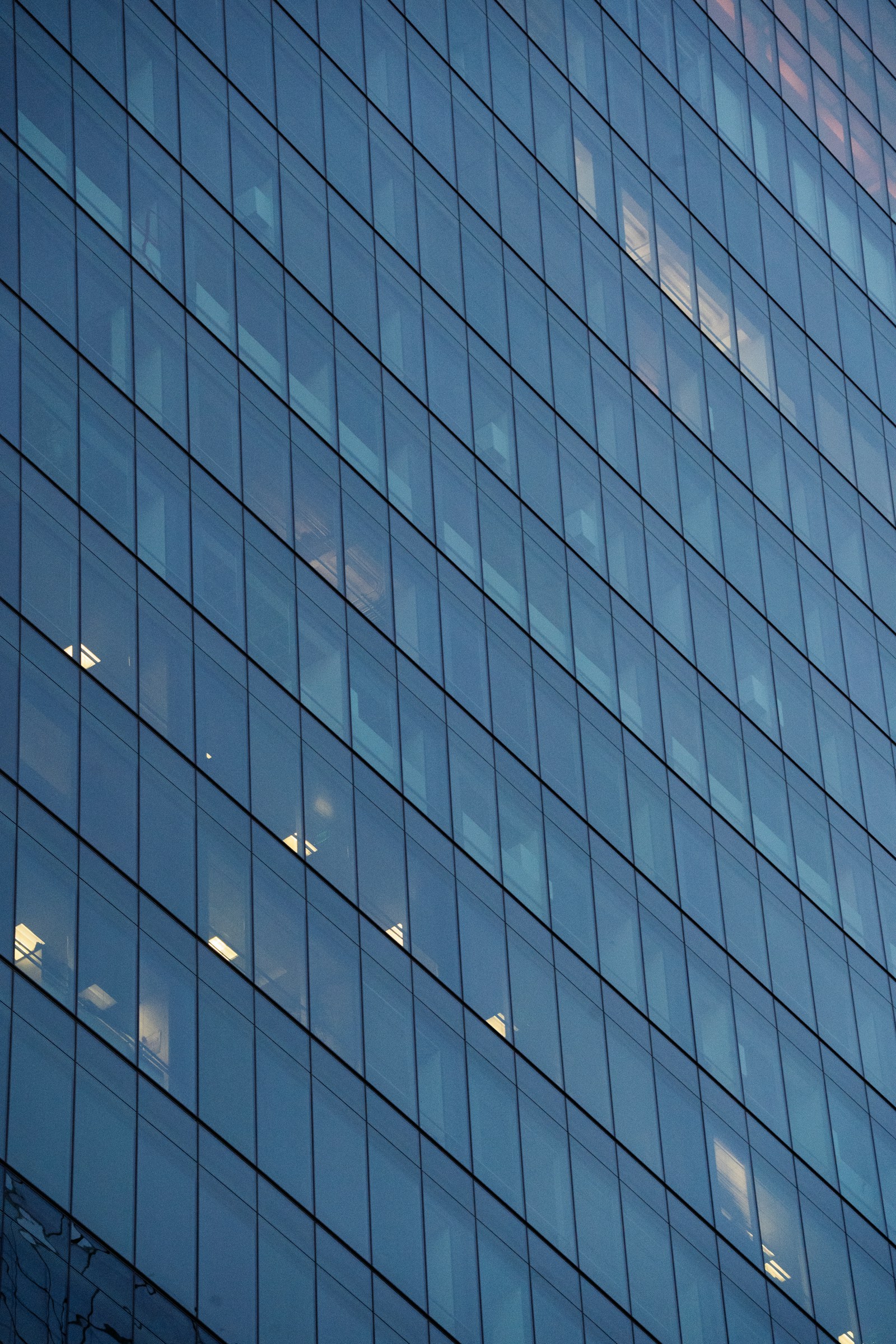
Blue glass curtain-wall facade on a modern office building
Glass rinse plans depend on water quality, deposits, sealants, wind, and the required finish.
Chicago Building Care

Evaluate exposure and use

Road dust, salt, pollen, shade, construction activity, landscaping, hospitality traffic, and visible entrances can make one elevation need a different cadence than another.

Chicago Building Care

Separate routine from restoration

Recurring glass cleaning is different from hard-water removal, oxidation treatment, scraped construction debris, caulk work, or a squeegee-finish restoration. A maintenance plan should keep those scopes visible.

Chicago Building Care

Build a schedule the property can use

Choose a cadence that fits occupancy, weather, events, access systems, and budget, then track completed elevations, photos, exceptions, and next-visit recommendations in one record.

Local Planning Lens

Plan the facade around Chicago's block-level access and weather conditions.

A Loop curtain wall above a public sidewalk, a Streeterville hotel near the lake, a Fulton Market conversion with a shared alley, and a Hyde Park institutional property create different access, water, wind, and occupancy questions. The quote process defines the cleaning result first, then assigns drone rinsing, direct contact, lift access, or a hybrid method to compatible zones without treating neighborhood coverage as blanket site approval.

  • Map each street, alley, courtyard, roof, setback, entrance, loading area, overhead obstruction, and neighboring exposure before selecting an access method.
  • Separate maintenance rinsing and compatible soft washing from squeegee detailing, bonded-deposit restoration, facade repair, and professional inspection.
  • Review FAA airspace and operating requirements, Chicago municipal requirements, property permissions, and any applicable public-way process for the proposed setup.
  • Trace wash water to verified drains or collection points and use temperature, surface condition, wind, and drying-based stop criteria to prevent drift and ice.
Next Step

Turn the question into a property-specific scope.

The guide is a starting point. Surface, access, traffic, weather, water, and the required finish determine the right next step for the building.